Source Compact Retroreflective Photoelectric Sensor for Industry
Find 30 compact retroreflective photoelectric sensor options for industrial automation, packaging, and assembly lines. Compare switching types, detection ranges, and mounting styles to select the right sensor for your equipment needs; compare the available evidence and request quotations based on your requirements.
Key considerations
Products List


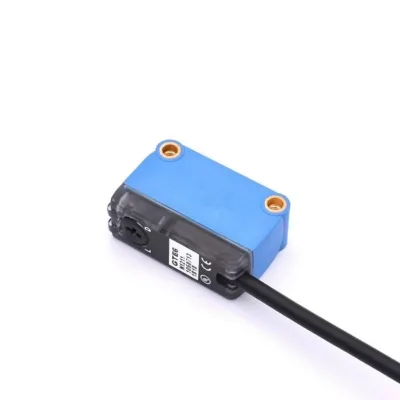


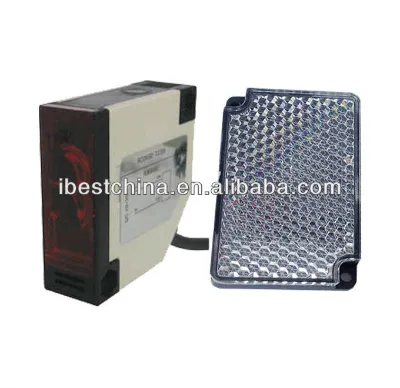


Comprehensive Sourcing Guide
Compact Retroreflective Photoelectric Sensor Sourcing Guide
Procurement teams must first distinguish between diffuse reflection and retroreflective configurations when selecting compact sensors for industrial automation. The observed market data indicates a prevalence of diffuse reflection types alongside specific retroreflective panel models, requiring buyers to verify the exact optical principle before ordering. Misidentifying the sensor type can lead to installation failures where the device fails to detect objects against complex backgrounds or reflective surfaces.
Buyers should also scrutinize the listed output signal types, as the supply chain shows a mix of switching types, NPN, and PNP configurations. The presence of both 10-30VDC and 24VDC operating voltage ranges necessitates a strict compatibility check with existing PLCs and power supplies. Ensuring the output matches the control system logic is critical to avoid costly rewiring or controller incompatibility issues during the initial deployment phase.
Product Scope and Observed Listing Signals
The current market inventory reveals a diverse range of physical attributes, including metal and plastic housings with varying IP ratings and mounting styles. Some listings specify L-type mounting, while others describe square sensor bodies designed for reflector integration. This variation suggests that buyers must carefully match the physical form factor to the available space in their machinery enclosures to ensure a secure and stable installation.
Listing signals also highlight significant differences in packaging and origin, with products shipping from Wenzhou, Guangdong, and Hunan provinces in distinct carton or white box configurations. The observed single package sizes and weights indicate that logistics planning must account for these specific dimensions to optimize freight costs. Buyers should verify the exact packing details to prevent damage during transit and to ensure the received units match the ordered specifications without unexpected delays.
Technical Specifications to Verify
Verification of the detection range is paramount, as observed listings specify distances ranging from 5mm up to 300mm depending on the specific model and reflector type. Buyers must confirm that the sensor's maximum detection distance aligns with the physical distance between the sensor and the target object in their specific application. Relying on a generic range without validating the specific model's capabilities can result in missed detections or false triggers in high-speed production environments.
Response time and light source characteristics are equally critical for high-speed applications, with some units offering a 3ms response time and red LED light sources at 640nm. Procurement teams must ensure that the response time is fast enough to capture the intended object movement without lag. Additionally, the dark count rate and light source stability should be evaluated to guarantee consistent performance under varying ambient lighting conditions in the factory floor.
Compliance and Safety Documentation
Certification status varies across the supply base, with CE and ISO marks appearing in different product listings, requiring buyers to confirm the specific certification for their target market. Regulatory compliance is not uniform, and assuming a product is certified based on a general listing description can lead to legal and safety violations. Buyers must request and validate the specific certification documents for the exact model number before finalizing any purchase order.
Safety documentation must also address the electrical output capabilities, as some units list 220V outputs while others specify low-voltage DC switching. This discrepancy highlights the need for clear safety protocols regarding electrical isolation and grounding in the final system design. Procurement teams should ensure that the selected sensor's output voltage and current ratings are compatible with the safety standards of the facility to prevent electrical hazards.
Cost Drivers and Commercial Terms
Pricing structures in this category show a wide variance, with observed ranges extending from minimal unit costs to premium pricing for specialized configurations. The minimum order quantity (MOQ) also fluctuates significantly, ranging from single items to bulk orders of 2000 units, directly impacting the total cost of ownership. Buyers must balance the unit price against the MOQ to determine the most economical order size that meets their immediate production needs without overstocking.
Customization options are available but introduce variable costs and lead times that must be factored into the commercial agreement. While some products are listed as non-customized, others offer tailored solutions that may require longer production cycles and higher per-unit pricing. Procurement teams should clearly define their customization requirements early to avoid unexpected delays and to secure accurate quotes that reflect the true cost of the modified specifications.
Supplier Qualification and Quality Control
Supplier qualification should focus on the manufacturing origin and the specific production processes employed, such as integration methods noted in the product descriptions. The geographic diversity of origins, including Zhejiang, Guangdong, and Hunan, suggests that buyers should assess the logistical reliability and quality consistency of suppliers from each region. Establishing a clear understanding of the supplier's production capabilities is essential for maintaining a stable supply chain.
Quality control measures must include verification of warranty terms, which vary between one year and 18 months across different listings. Buyers should prioritize suppliers who offer robust warranty coverage and clear return policies to mitigate the risk of early field failures. Additionally, checking the manufacturing date codes and batch consistency helps ensure that the received products are current and have not been subject to prolonged storage that could degrade performance.
Long-Term Procurement Checks
Long-term procurement strategies must account for the availability of spare parts and the consistency of the product series over time. The observed mix of model numbers and series, such as square photoelectric sensors and reflective panels, indicates that buyers should secure a stable supply of compatible components to avoid obsolescence issues. Maintaining a relationship with suppliers who can guarantee long-term availability is crucial for minimizing downtime in automated systems.
Buyers should also monitor the evolution of technical standards and certifications to ensure continued compliance as regulations change. The dynamic nature of the market, with varying output types and voltage requirements, necessitates regular reviews of the installed sensor fleet. Establishing a protocol for periodic re-evaluation of supplier performance and product specifications will help maintain operational efficiency and safety standards over the lifecycle of the equipment.
FAQs
What output types are available for a compact retroreflective photoelectric sensor?
Compact retroreflective photoelectric sensor models typically offer NPN or PNP switching outputs, with some units supporting both NO and NC contact configurations. This switching type output lets you connect directly to PLCs or control relays. Confirm the output type matching your control system before ordering, since NPN suits sinking inputs while PNP suits sourcing inputs, and some listings also reference 220V output variants.
Which detection distances can a compact retroreflective photoelectric sensor cover?
Listed models cover maximum detection distances of 100mm, 150mm, and 300mm, with base ranges of 5-100mm, 5-150mm, and 5-300mm. Choose the distance according to your mounting clearance and target size, and remember retroreflective sensing depends on a reflector returning the LED red light at 640nm. Larger distances generally require proper reflector alignment and a clean operating environment.
Can a compact retroreflective photoelectric sensor be customized for specific applications?
Yes, customization is available on listed products, although some catalog variants are sold as non-customized standard units. Customization can cover cable length, connector style, housing details, or output configuration depending on the supplier. Discuss your application requirements, order quantity, and lead time with the supplier before confirming, and verify that any customized unit still carries the same certifications as the standard model.
What power supply does a compact retroreflective photoelectric sensor require?
Most listed compact retroreflective photoelectric sensor units operate on 10-30VDC, with some variants specified at 12-24VDC or a nominal 24VDC supply. This wide DC range allows direct connection to standard industrial 24V control power. Check the exact operating voltage on the datasheet for your chosen model, and verify polarity wiring for NPN versus PNP output versions before installation.
What response time can I expect from a compact retroreflective photoelectric sensor?
A listed response time of 3MS applies to compact retroreflective photoelectric sensor models, which is fast enough for most packaging, counting, and positioning tasks on industrial equipment. Actual system response also depends on your PLC scan cycle and wiring. For high-speed applications, confirm the response specification in the model datasheet, since response figures can vary between housing sizes and output types.
Which certifications and materials apply to compact retroreflective photoelectric sensor products?
Listed products carry CE certification, and ISO certification also appears among supplier listings, so request certificate copies for the exact model you order. Housing materials include metal, with a nickel-plated brass standard on certain cylindrical models, while reflector accessories are typically plastic. Match the housing material to your environment, since brass housings resist mechanical impact better than plastic in demanding industry equipment applications.
How are compact retroreflective photoelectric sensor units packed and shipped?
Packing options in the listings include cartons and white boxes, usually sold as single items, with a sample gross weight around 0.050 kg for compact units. Shipping methods referenced include DHL, UPS, Fedex, EMS, and other carriers, so you can choose expedited or economy freight based on urgency. Confirm carton quantities and total shipping weight with the supplier when ordering volume.
What warranty applies when sourcing a compact retroreflective photoelectric sensor?
Warranty terms in the listings range from 1 year to 18 months depending on the supplier and model, so compare warranty length as part of supplier selection. Ask whether the warranty covers replacement or repair, and confirm the claim process before placing an order. Keep your purchase records and installation details ready, since warranty validation may require proof of correct wiring within the stated voltage range.